 Club Deportivo Leganés
Tactical Analysis of Los Pepineros' Recent Form
In recent matches, Club Deportivo Leganés has shown flashes of brilliance, but inconsistency has plagued their performances. Their current tactical setup, primarily a 4-2-3-1 formation, has provided a solid base, yet there are significant opportunities for refinement. The team's recent struggles stem not only from individual errors but also from a lack of cohesive team play in critical moments.
The midfield transition has been a recurring issue. While the double pivot of the central midfielders offers defensive stability, it often results in a slower build-up play that allows opposing teams to regroup. By utilizing a more dynamic 4-3-3 setup, Leganés can enhance their midfield fluidity, allowing for quicker transitions and more attacking options. Incorporating a more advanced midfielder—one who can support both the defense and attack—could also help exploit spaces left by opponents.
Suggested Tweaks for Improvement
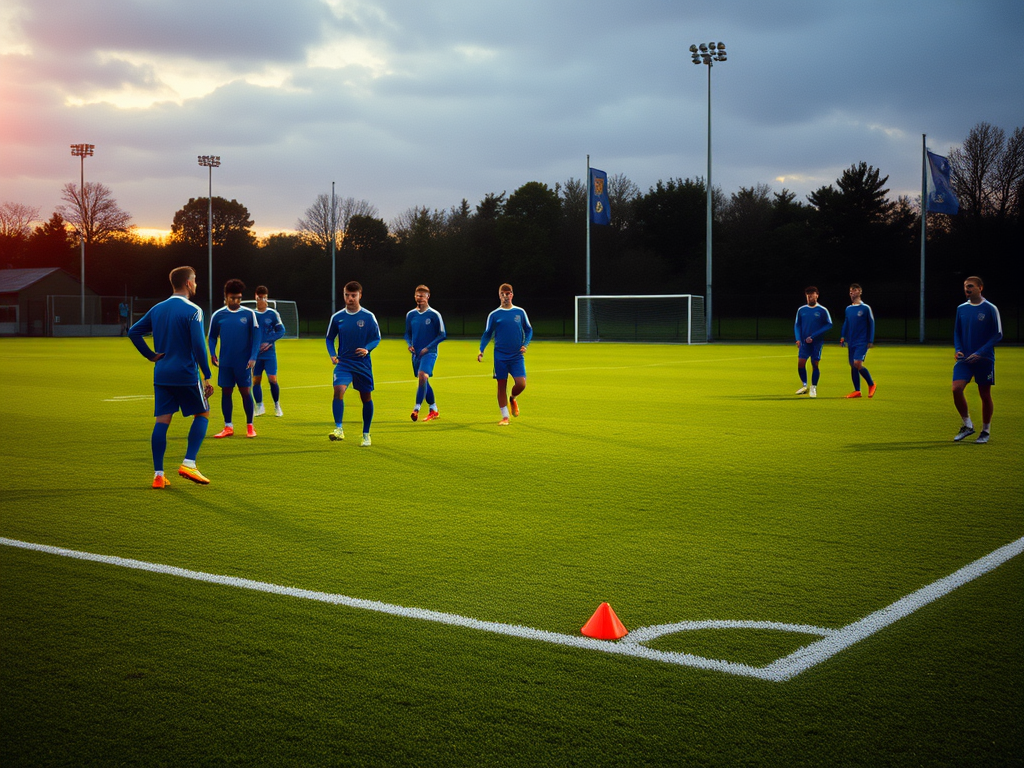
1. Employing a High Press: Leganés has often sat back, inviting pressure from opponents. Introducing a high press strategy could create immediate turnovers in dangerous areas. Players like Gaku Shibasaki and Juan Muñoz, known for their work rate and pressing ability, could be pivotal in implementing this approach. The goal would be to win the ball higher up the pitch, allowing the team to capitalize on defensive errors from the opposition.
2. Wider Play and Overlapping Full-Backs: In the current formation, the wingers tend to drift inside, which congests the attacking third. Encouraging the wingers, such as Rubén Pardo, to stay wider can stretch the opposition's defense and create space for overlapping runs from the full-backs. This tactic can lead to more crossing opportunities and make the attack less predictable.
3. Adjusting Forward Movement: The forwards need to coordinate better with the midfield. Currently, there is often a disconnect between the midfield and the attacking players, leading to isolated attacks. By encouraging the strikers, particularly Juan Muñoz, to drop deeper occasionally and link up with the midfield, Leganés can create more fluid attacking movements and improve their goal-scoring opportunities.
4. Defensive Solidity: While attacking play is crucial, Leganés must also focus on defensive stability. The center-backs need to communicate effectively to avoid gaps that opponents can exploit, especially during counter-attacks. Implementing a zonal marking system rather than man-to-man marking could help maintain shape and discipline during defensive transitions.
Conclusion
As Los Pepineros look ahead to their upcoming fixtures, focusing on tactical adjustments can lead to a significant improvement in performance. By embracing a high-press strategy, widening the play, enhancing forward coordination, and solidifying defensive organization, Leganés can turn their fortunes around. The passionate support from the fans at Butarque will undoubtedly bolster the players as they seek to secure vital points in the league. With these tactical tweaks, Leganés has a promising chance to rise in the standings and deliver the results that their loyal supporters crave.